Sustainable design can sound like a long list of rules, but it often begins with a simple idea: make thoughtful choices that last. You don’t have to replace everything or buy a whole new collection of eco-labeled products to make a project more considered.
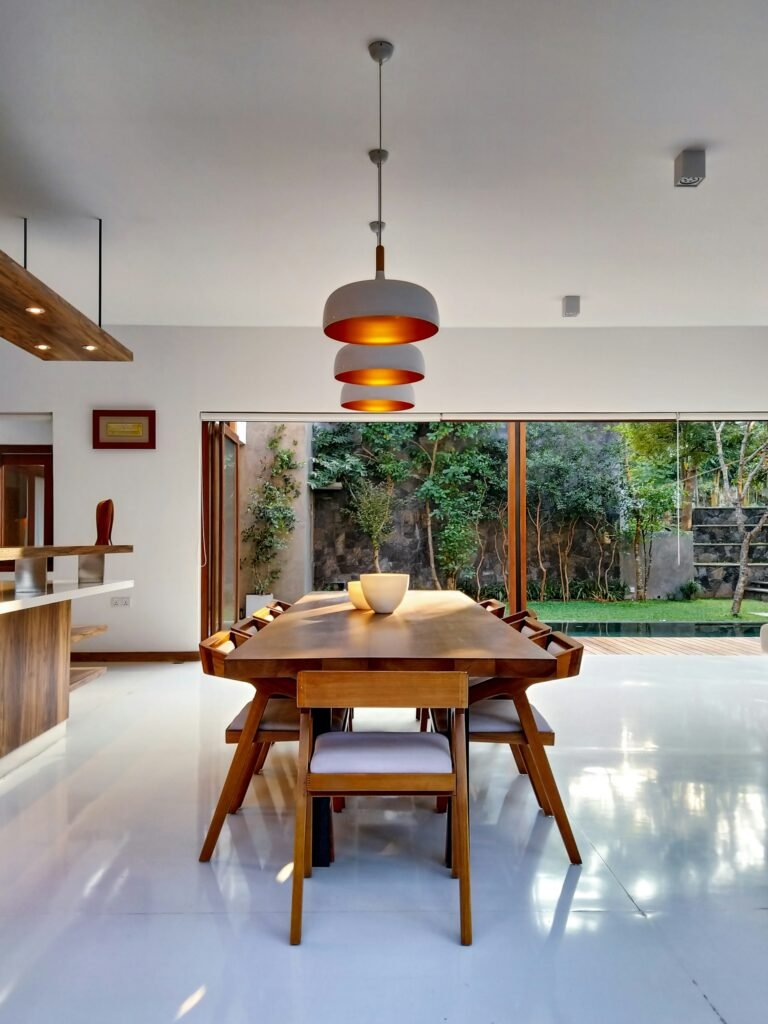
One of the most useful steps is to keep what still works. A solid timber table may need a new finish rather than replacing; a well-made chair might look fresh with new upholstery; existing flooring could influence the palette for the better. Reuse can preserve character, reduce waste, and often keep a project connected to the building’s history.
When purchasing new materials, ask specific questions. How long is the product expected to last? Can it be repaired? What care does it need? Is there information about its ingredients, sourcing, or environmental performance? Certifications and supplier documentation can help, but it’s sensible to check what a claim actually covers rather than relying on vague green language.
Comfort and energy use matter, too. Daylight, shading, ventilation, insulation, and appropriately planned lighting can affect how a space feels and operates. These are areas where interior design and architecture can complement each other, especially when a renovation includes changes to windows, the building envelope, or room layouts. Technical decisions should be guided by qualified professionals and the conditions of the specific property.
Most of all, aim for progress rather than perfection. A durable finish, a repaired favorite piece, a layout that uses daylight well, or a plan that avoids unnecessary demolition can all be meaningful steps. Sustainable design should support a healthier, more comfortable home—not leave you feeling guilty about every cushion.