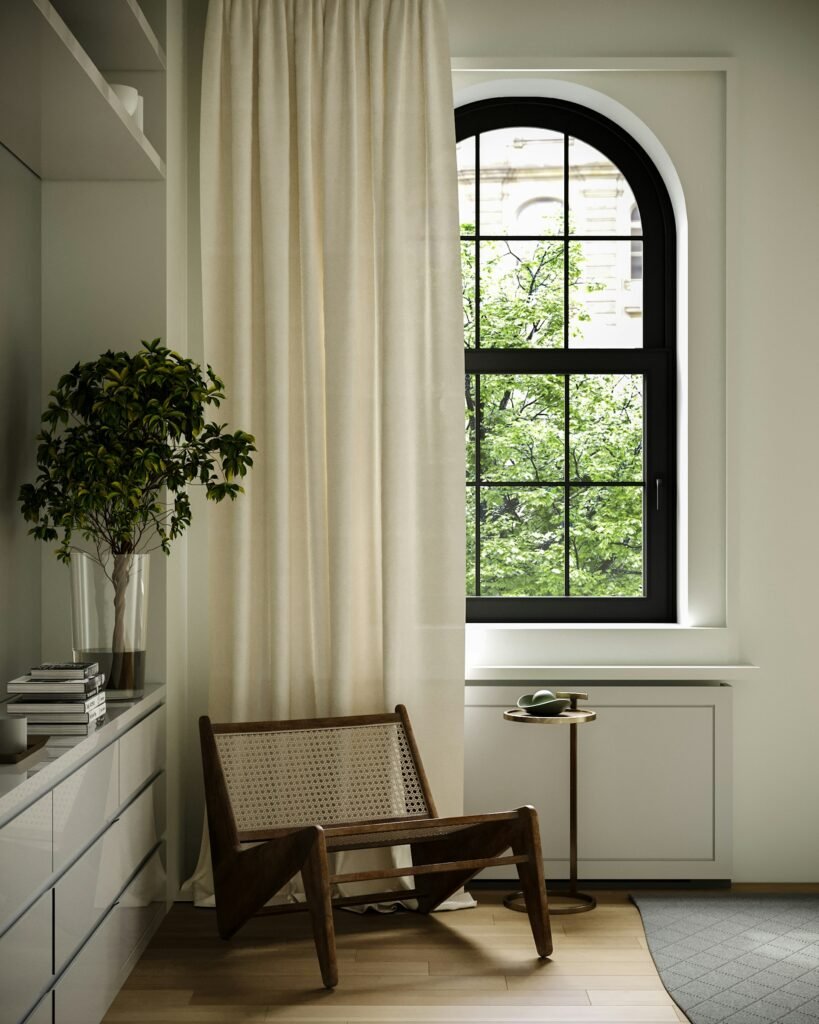
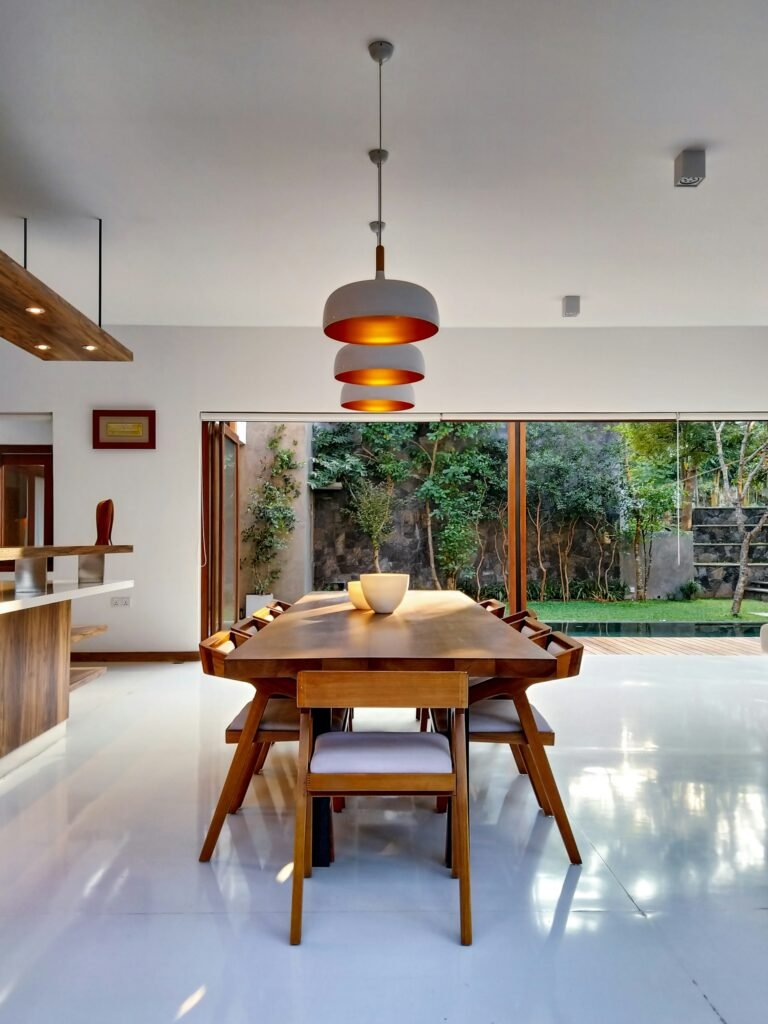
Materials bring a room to life in ways that color alone can’t. Wood has warmth and variation; stone can feel cool, dramatic, or quietly understated; tile adds rhythm and texture; textiles soften edges and make a space comfortable. The fun is in choosing a combination that feels connected without making everything identical.
Start with how a material will be used. A busy family kitchen may need different performance characteristics from a lightly used guest room. Consider moisture, heat, sunlight, cleaning routines, pets, and the amount of wear a surface is likely to receive. Ask suppliers about maintenance and suitability instead of assuming that a material is right for every application.
Samples are essential. A small swatch can look very different from a full floor or wall, and natural materials often vary from piece to piece. Look at samples beside one another and under the lighting planned for the room. If possible, view larger samples or installed examples before making a final decision.
You can create harmony by repeating a few tones or textures across a home. For example, a timber tone might appear in cabinetry and furniture, while a warm neutral connects walls and upholstery. Contrast keeps the palette lively: smooth surfaces beside textured ones, matte finishes beside a little sheen, or a bold stone paired with simpler cabinetry.
And don’t choose a finish solely because it photographs beautifully. Think about how it will age, how you’ll care for it, and whether you’ll still enjoy it after the trend has moved on. Materials are part of the daily experience of a home. The best choices look good, feel good, and make sense for the people who use them.