Lighting is a bit like music in a film: when it’s done well, you may not notice it consciously, but you feel the difference. The room seems calmer, dinner feels more intimate, and the corner where you read suddenly becomes your favorite spot.
A useful starting point is to think in layers. Ambient lighting gives the room its general illumination. Task lighting helps you do something specific, such as reading, chopping vegetables, or working at a desk. Accent lighting draws attention to artwork, a textured wall, or a favorite architectural feature. Most rooms benefit from a combination rather than one bright fixture trying to do absolutely everything.
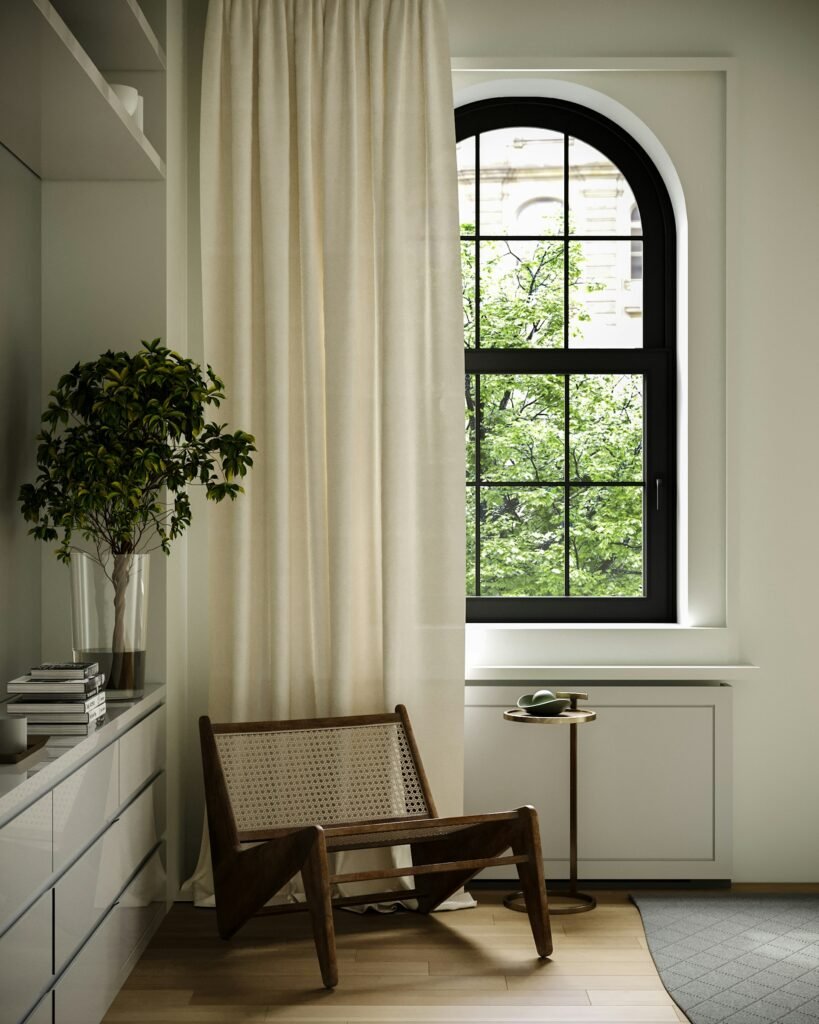
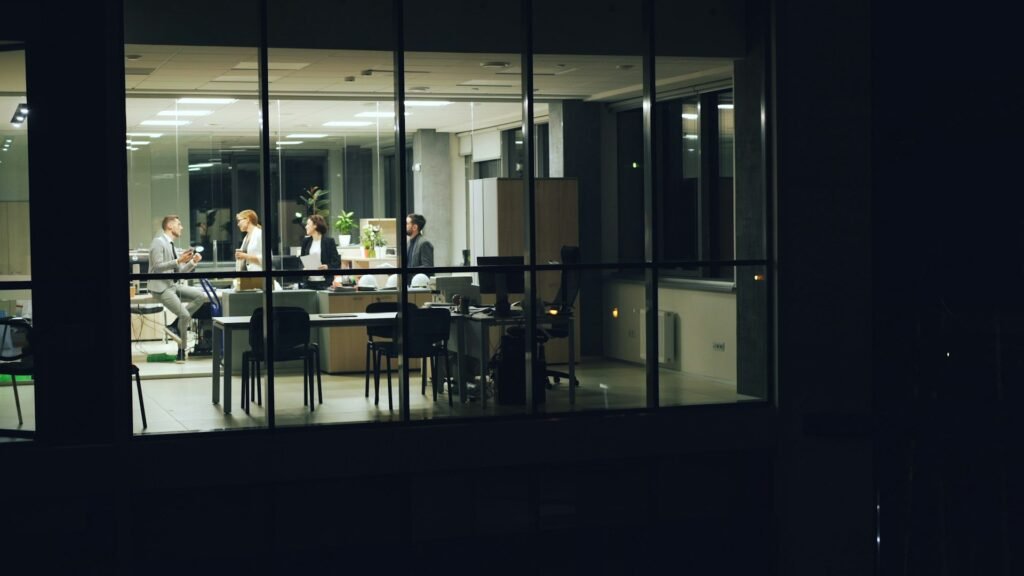
Consider the time of day, too. Daylight changes throughout the day and can affect how finishes and colors appear. At night, dimmers can make a space more flexible, while warm-toned lamps often help living areas feel relaxed. Kitchens, bathrooms, and workspaces have different practical needs, so lighting choices should be based on what happens in each area—not just on how a fixture looks in a product photo.
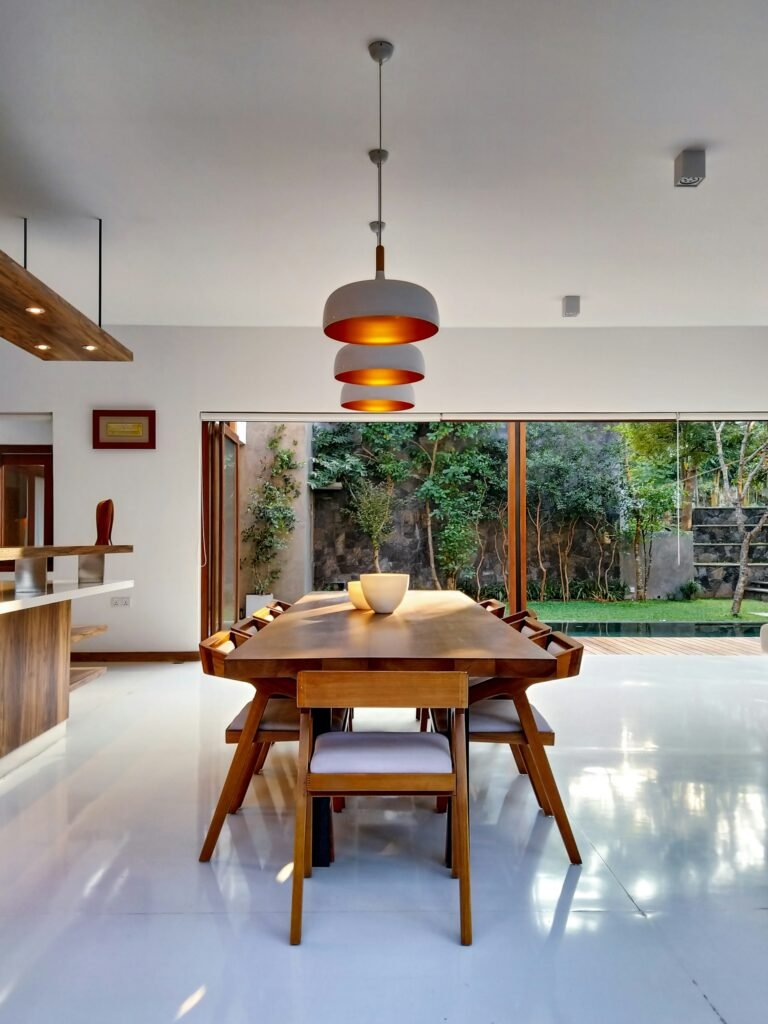
Placement matters as much as the fixture itself. Pendant lights need to suit the scale of the table or island; bedside lights should be convenient from the bed; and recessed lights should be planned carefully to avoid a ceiling dotted with unnecessary bright spots. If walls or ceilings are being changed, coordinate the lighting plan with the architectural and electrical drawings before construction moves ahead.
A beautiful light fitting can absolutely be the star of a room. But the real win is a space that feels good at 8 a.m., during a busy afternoon, and after dinner. A little planning makes all three possible.