Your first design meeting should feel more like a conversation than an exam. You don’t need to know the difference between every stone finish or arrive with a perfectly organized folder of inspiration. You simply need to tell us a little about your space, what isn’t working, and what you’d love to change.
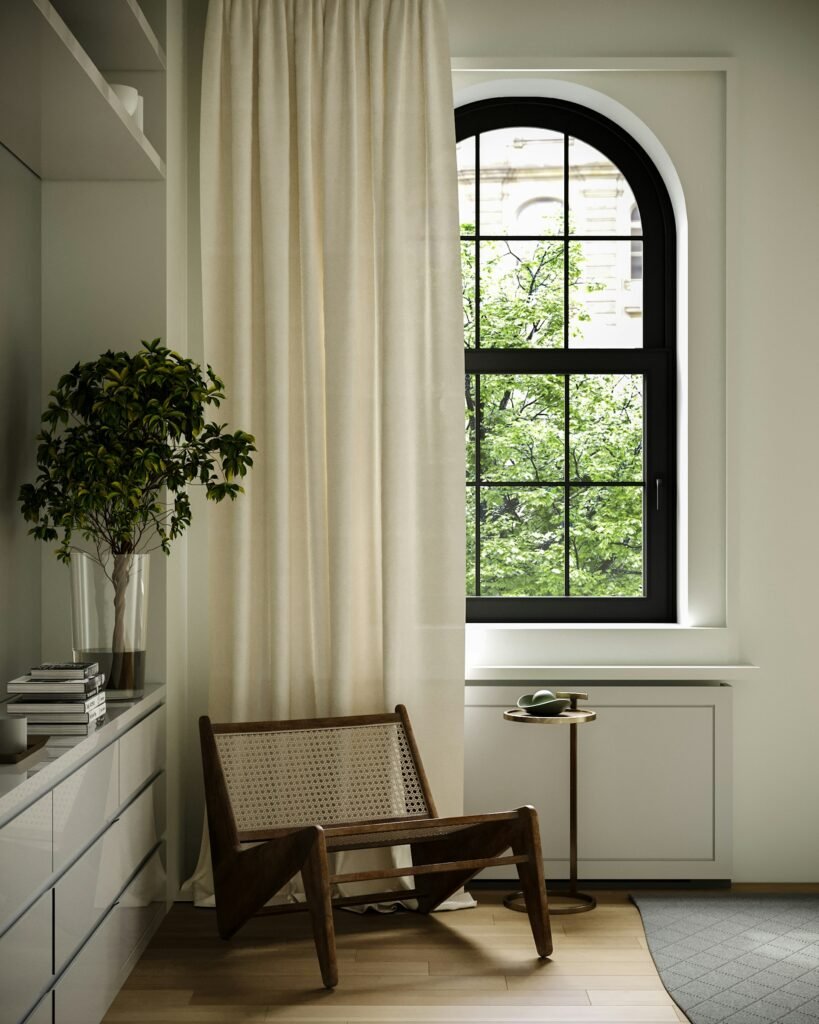
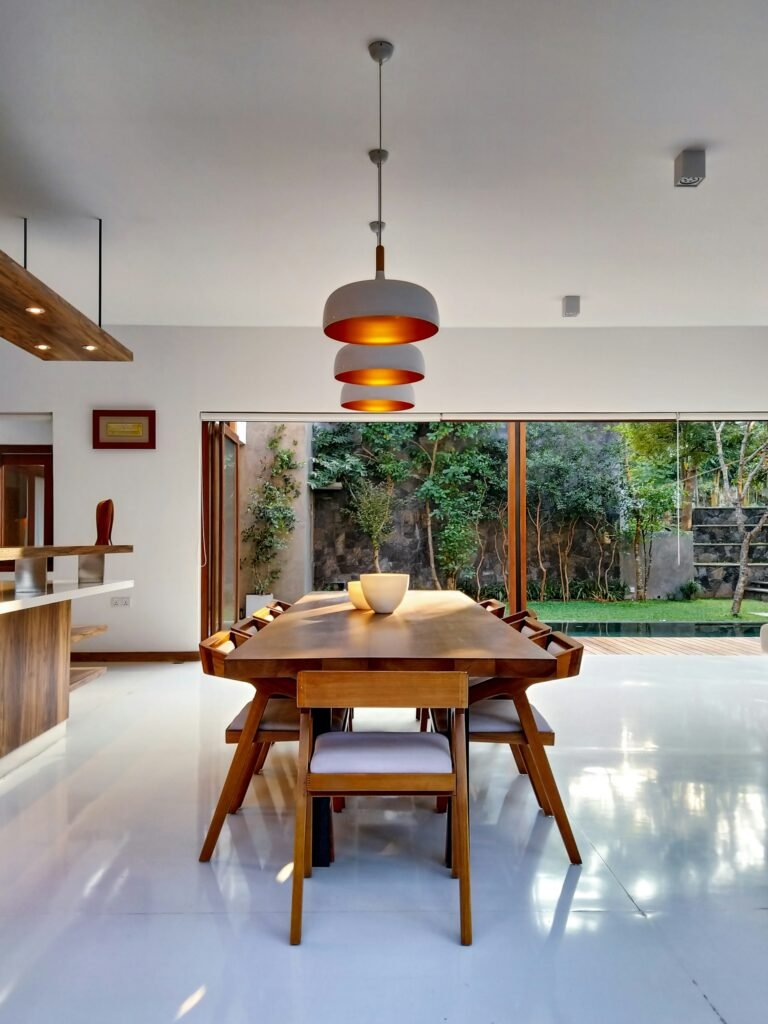
If you have photos, floor plans, measurements, or a property listing, bring them along. Inspiration images are helpful, too, especially when you can explain what you like about them. Is it the warm lighting, the calm color palette, the generous storage, or the way the room opens toward the garden? Understanding the reason behind an image is often more useful than copying the image itself.
It’s also helpful to talk about how you live. Who uses the space? What happens there on an ordinary Tuesday? Do you work from home, entertain, cook every night, or need a little separation between busy and quiet zones? Be candid about practical annoyances, from cluttered counters to a hallway that feels cramped.
Budget is not an awkward topic to avoid; it’s one of the tools that helps a team make good decisions. Sharing a realistic range early makes it easier to prioritize where to invest, where to simplify, and which ideas belong in a future phase. If architectural changes may be involved, mention that too, so the right professionals can be included at the right time.
Most importantly, bring your questions. A good design process should make decisions clearer, not more mysterious. You’re allowed to be unsure, to change your mind as you learn, and to ask why a recommendation makes sense. We’re building a space together, and the conversation is where that begins.